
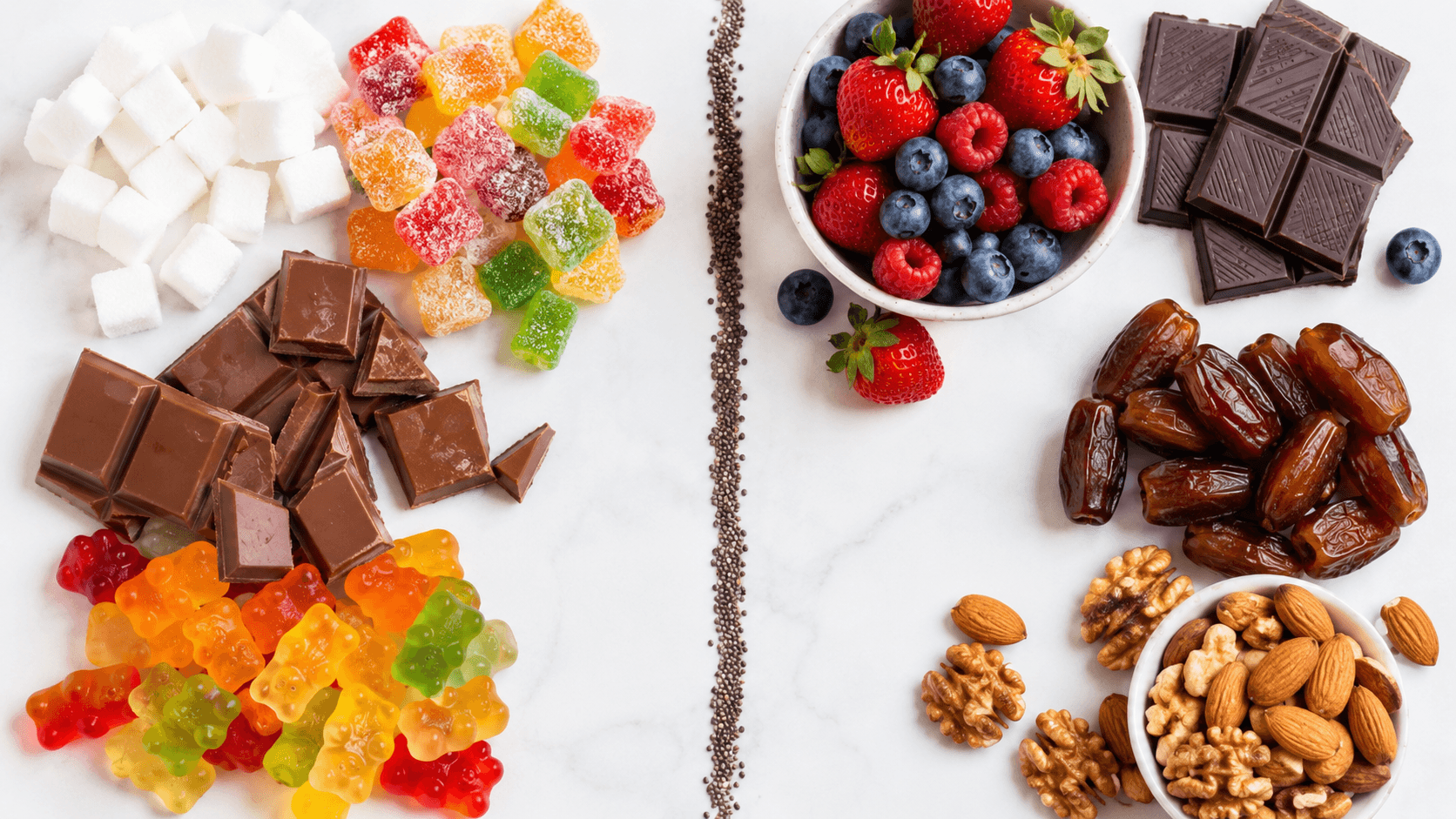
You're Not Weak — You're Addicted to Sugar: How to Break the Cycle
You finish dinner and immediately want something sweet. You tell yourself just one biscuit — and somehow the whole
packet is gone. You try to cut sugar and feel irritable, tired, and unable to focus. Sound familiar?
This is not weakness. This is biology.
Sugar Affects Your Brain Like a Drug
Research from Princeton University and multiple neuroscience studies have shown that sugar activates the same reward
pathways in the brain as cocaine and alcohol. When you eat sugar, your brain releases a flood of dopamine — the
feel-good chemical. Your brain remembers this feeling and starts craving it repeatedly.
Over time, you need more sugar to get the same dopamine hit. The threshold keeps rising. This is the definition of
addiction.
Signs You Are Addicted to Sugar
You think about sweet food frequently throughout the day
You cannot stop at one portion — you always want more
You eat sugar even when you are not hungry
You feel anxious, irritable, or low when you have not had sugar for a few hours
You use sweet food to deal with stress, boredom, or sadness
You have tried to quit sugar multiple times and failed
You feel guilty after eating it but cannot stop
If you relate to 4 or more of these, sugar has a genuine hold on your brain chemistry — not your character.
What Sugar Does to Your Body Over Time
Weight Gain
Excess sugar is converted directly to fat, especially around the belly. It also spikes insulin repeatedly, which
trains your body to store fat instead of burn it.
Energy Crashes
Sugar gives a quick energy high followed by a sharp crash. This crash triggers more cravings, creating a cycle that
leaves you exhausted by mid-afternoon every single day.
Skin Problems
High sugar intake causes glycation — a process where sugar molecules attach to collagen in your skin, breaking it
down. This leads to premature wrinkles, dull skin, and acne.
Fatty Liver
Fructose — the type of sugar found in sweetened drinks, fruit juices, and processed foods — is processed entirely by
the liver. Excess fructose accumulates as liver fat, leading to non-alcoholic fatty liver disease even in people who
do not drink alcohol.
Weakened Immunity
Studies show that consuming 75g of sugar — roughly two cans of soda — suppresses your immune system for up to five
hours after consumption.
Mood and Mental Health
The blood sugar rollercoaster caused by regular sugar consumption directly disrupts mood stability. People who consume
high amounts of sugar have significantly higher rates of depression and anxiety.
Why Cutting Sugar Feels So Hard
When you reduce sugar suddenly, your brain goes through genuine withdrawal. Symptoms include:
Headaches for the first 2–3 days
Intense cravings, especially in the afternoon
Irritability and low mood
Fatigue and difficulty concentrating
Feeling anxious or restless
These symptoms are real and temporary. They typically peak at day 2 or 3 and significantly reduce by day 5 to 7.
Knowing this in advance makes it much easier to push through.
How to Break the Sugar Addiction — Step by Step
Step 1: Remove the obvious sources first
Do not try to cut everything at once. Start with the biggest offenders:
Sugary drinks — sodas, fruit juices, energy drinks, sweetened teas
Packaged biscuits, cookies, and cakes
Breakfast cereals with added sugar
Flavoured yogurts and sweetened dairy
Step 2: Read labels — sugar hides under 50+ names
Food companies use many different names for sugar to disguise how much is in their products. Watch for: high fructose
corn syrup, dextrose, maltose, sucrose, glucose syrup, cane juice, barley malt, and anything ending in "-ose."
Step 3: Eat protein at every meal
Protein is the most powerful tool against sugar cravings. It keeps blood sugar stable, reduces ghrelin (the hunger
hormone), and keeps you full for longer. Eggs, chicken, fish, lentils, Greek yogurt, and cottage cheese should be at
every meal.
Step 4: Never let yourself get too hungry
Extreme hunger overrides willpower every single time. When blood sugar drops too low, your brain screams for the
fastest energy source available — sugar. Eat every 3 to 4 hours and always have a protein-based snack available.
Step 5: Crowding out with natural sweetness
Instead of fighting cravings with willpower alone, replace processed sugar with naturally sweet whole foods:
Fresh fruit — especially berries, mangoes, and bananas
Medjool dates — intensely sweet and full of fibre
Sweet potato
Coconut with a little honey
Dark chocolate 70% or above — satisfies the craving with much less sugar and actual health benefits
Step 6: Manage stress actively
Stress is the number one trigger for sugar cravings. When cortisol rises, your brain demands quick energy — which
means sugar. Without a stress management strategy, breaking sugar addiction is nearly impossible long-term. Even 10
minutes of walking, deep breathing, or prayer after meals significantly reduces stress-driven cravings.
Step 7: Fix your sleep
One night of poor sleep increases ghrelin (hunger hormone) by 24% and cravings for high-sugar foods by up to 45%.
Prioritising 7 to 8 hours of quality sleep is not optional — it is a biological requirement for controlling sugar
cravings.
What Happens When You Quit Sugar
The first week is the hardest. But here is what people experience after getting through it:
Week 1: Headaches and cravings, but energy begins to stabilise by day 5
Week 2: Cravings reduce dramatically, sleep improves, mood lifts
Week 3: Skin starts to clear, bloating reduces, energy is consistent throughout the day
Month 2: Weight loss becomes noticeable, mental clarity improves significantly, food tastes better because your
taste buds have recalibrated
The Goal Is Not Zero Sugar Forever
Completely eliminating sugar permanently is neither realistic nor necessary. The goal is to break the addictive cycle
so that you are in control — not the sugar. After 30 days of reducing sugar, most people find they genuinely do not
want it the way they used to. A small piece of cake at a celebration no longer spirals into a week of bingeing.
Freedom from sugar addiction is not about perfection. It is about getting your brain back.
Tags